Monday, December 31, 2012

2012 smashes record for Chinese investment in U.S. deals

At $6.5 billion, Chinese investment in U.S. projects during 2012 bested the previous 2010 record of $5.8 billion and shows few signs of slowing down, according to a report released Friday by New York-based research firm the Rhodium Group.
Investors from China, Taiwan and Singapore are grabbing investment opportunities in the US.
Chinese and Taiwanese investors, boutique VCs and PE firms are looking for technologies: like Medical devices, IT and mobile and energy companies that are pre and post revenue companies.
"We are looking at technologies that have potential" said Mr Huang from Taiwan based investor fund.
Special attraction towards medical device industry, since the US investors don't have ready funds to invest gives the Chinese and Taiwanese investors a tremendous opportunity to grab at young budding companies in Spine, Orthopedics, Women's health and believe or not Obesity and Diabetes companies.
Orange County, Ca continues to seek attention in the Spine, Diabetes and Obesity Space.
 2011-12 saw investments of up to 5 billion worth of new deals involving Chinese capital already in the pipeline, 2013 looks likely to continue the upswing.
The U.S. sectors drawing the most Chinese investment in the last year were medical devices, health care,  oil and gas, advanced manufacturing, utilities, real estate and hospitality.
But Silicon Valley and Orange County's medical technology and high tech market is also proving to be an investment magnet as Chinese firms and investors flock to California companies.

If the trend of increased Chinese investment holds true, the new influx of investment capital could be big news for the OC's and Silicon Valley real estate market. So look what's happening. Investors are investing in multiple sectors mainly: New medical technologies eg; obesity (worlds biggest unmet need) or in orhtopedics and spine industry, which is an imminent need in China, so importing US made product to China's booming health care market. Investing in real estate, which grows as industry in OC and Silicon Valley increases.


Investors from HongKong and China who are moving out of real estate are not investing in real estate in US, they did that 2 yrs ago, now acting smart and grabbing technologies and innovations that investors are unable to get funded by VCs. US VCs will take 6-8 months to activate their funds on young innovative companies, this window is enough for smart investors to invest up to $5 Mil to $10M in technology companies and getting the upside. Its amazing how investors have become smarter and taking more risk as US innovation is at its peak, but investments have not cought up to it, due to the recession.

 As China slows down, the investors and experts think there is going to be a big health care bubble in the US  and worldwide as healthcare becomes the biggest priority in the next couple of years, which will give investors larger multiples on their investment. Looking at the rising M&A trend, some Japanese and Singapore investors are exploring M&Aopportunities buying out companies at the budding stage and retaining the innovators and management teams. Singapore, Chinese PEs and experts are catching on that trend in the med device sector.
According to Reportthiker.com.  China is already the third largest medical device market in the world, after the United States and Japan. Within 5 to 7 years, China will surpass Japan and become the second largest medical device market in the world.


Saturday, December 29, 2012

Sharp Rise in Obesity Surgery Rate: You Only Need to Walk Down The Street

Sharp Rise in Obesity Surgery Rate:
Irvine, Ca based company has a next generation, minimally invasive medical device to treat obesity and diabetes. Company has secured IP, and is raising capital to conduct clinical trials outside USA and get CE mark.
Obesity is not just USA's problem. Australia, New Zealand, UK, Germany, Saudi Arabia, Mexico, Canada and Latin America is seeing unprecedented obesity rates. China's one child policy is creating a generation that is super obese and India is soon becoming a diabetic capital in the world.
The number of obesity surgeries in New Zealand has risen nearly 100 per cent over the past six years and "you only need to walk down the street" to see why, a surgeon says.
Ministry of Health figures show 389 gastric bypass surgeries were performed in the public health system over the past year - nearly six times more than in 2005-2006.
Health Ministry electives manager Clare Perry said it was a sign of increased funding that the number of surgeries had gone up.
In 2010,  millions were made available to District Health Boards to carry out bariatric surgeries.
"This funding is expected to provide an additional 3000 bariatric operations nationally over four years, an average of 175 per year, which has been achieved.
"You just need to walk down the street to see New Zealand's obesity problem, and it is a problem of deprivation.
"It's not just the fact that people are fat, it's all the associated health problems that come with it."
Rates of cardiovascular disease, diabetes and liver diseases - all associated with obesity - have skyrocketed over the past decade.
According to Diabetes New Zealand,  more than 208,000 New Zealanders have Type 1 or Type 2 diabetes.In UK 1.2 million people are waiting for bariatric surgery
About 50 people are diagnosed as having diabetes in New Zealand every day.
He said while the increase was substantial, they were still dealing with relatively small numbers.
"It's a sign of a few things, firstly there are increasing numbers of morbidly obese people needing the surgery, there are also more hospitals and greater funding to provide access, and there is a better understanding of the benefits and outcomes of this surgery so it's increasingly being seen as a viable treatment."
Many hospitals only had the capacity to treat the chronic diseases which were often the secondary symptoms of obesity. Each surgery generally costs about $30,000

Monday, December 24, 2012

Spinofix, Inc Poised for Growth or Acquisition. Stand-Alone, Low Cost Spine Fixation Technology


Spinofix, Inc Poised for Growth or Acquisition.
Stand-Alone, Low Cost Spine Fixation Technology  
Irvine, CA Dec 21, 2012 – Spinofix, Inc., a medical device company focused on providing next generation, low cost stand-alone alternatives to traditional spinal fusion, today announced that it is ready for growth capital or acquisition. Spinofix has researched the US and international markets which includes China, Taiwan, India, Middle East, Europe and Latin America.
90 Percent of the spine fusion surgery internationally and 80 percent of US market is open fixation procedures. Spinofix has come up with innovative devices to treat  patients with less hardware and provide substantially equivalent fixation. Product is going through the testing process. Company received its ISO 13485 certification Q2 of 2012 and hoping to get a CE mark in a few months.
“We are pleased to reach this significant milestone and inquiries from companies to acquire the technology now” said Glenn Morimoto, Chief Marketing & Sales Officer of Spinofix, Inc. “We are poised for growth or acquisition, this could be a larger company or even a Private Equity play, we are open to options that makes sense to us”. “Spinofix system has experienced tremendous response from worldwide surgeons and we look forward to achieving FDA approval in the US” said Morimoto.
 “The cross connector systems  is an exciting option for spine surgeons performing lumbar fusion surgery as it can create immediate stability and fixation once it’s properly positioned.” says Dr. Brian Pariera from the Bay Area.  “The unique design of Spinofix products is intriguing and can attract surgeons if displayed at a spine convention or get the sales representative’s foot in the door, that itself is a opportunity for an exit” said Mr David Luvisa, Managing Director at HunterWise Financial, who has been successful in Spine company transaction. “In spine industry we all know, that metals drive biologics, there are some biologic companies who don’t have a spine fixation product, this may be the differentiating technology to acquire before international players grab the opportunity or it becomes too expensive.” said Luvisa.
Spinofix, Inc is located in Irvine, Ca and one of the innovative companies with a small team and aggressive strategy to bring a next generation technology to the conventional spine surgery market. www.spinofix.com

Tuesday, December 18, 2012

Can investors profit from medical devices M&A boom in 2013?


Can investors profit from medical devices M&A boom in 2013?
Posted on Dec 18, 2012
A recent Reuters article indicates medical devices M&A activity is poised to take-off in 2013. This after activity has fallen to a near low since 2009.  Is there a way that investors can benefit from such mooted M&A activity?
With all the pressures from payors, the 2.3% medical devices sales tax and healthcare reform, companies are looking for angles to optimize operations, and add new innovations to boost future revenues and profits.
The article suggests companies within the orthopedics/spine and cardiovascular space are most likely to benefit. That’s actually quite reasonable since large medical devices companies in these spaces are very profitable and cash-rich. They’re also hungry for new innovation, much of which will be sourced from outside. Also, in these sub-sectors innovations can be very much game changing (clinically and commercially) with opportunities to tap large markets. Private equity buyers will typically pay an EV/EBITDA multiple of 7-10x. This enables them to use considerable debt to leverage the transaction and still have sufficient cash-flow to pay down the new debt.
Strategic buyers are often willing to pay more. They may use less debt to facilitate the transaction (typical financing routes include using cash on balance sheet, share transactions and of course, debt). But a strategic buyer is also usually looking for some kind of business synergies. This could include leveraging a new innovation, getting their foot in the door of physician offices,  sales force, utilizing existing expertise in a given space, cost synergies and other rationales.
But even then, a strategic buyer will pay 5X to 10X to pre-revenue company with decent technology. Typically trategic buyer will pay 10-20x EV/EBITDA multiple.. For a buyer to pay over 20x EV/EBITDA, the acquisition has to work out fantastically well. Occasionally they do.
For some reason Orange County has seen some great companies and terrific exits. Companies have made multiple in the range of 5 to 20X. Orange County is hub for ophthalmology, spine, obesity, cardiovascular and diagnostic companies.
Keep in mind strategics and private equity investors are no fools. There is a very good reason why they (strategics) generally stay between a 5-10x  for a pre-revenue company and 10x to 20x EV/EBITDA multiple – because at this level, they have a very good chance of earning a positive return.

Monday, October 29, 2012

Bank of America/Merrill Lynch: The fight against obesity will be a major investment trend

(Source: Reuters) - The fight against Obesity will be a major investment trend for the next 20-25 years, a report by Bank of America/Merrill Lynch
"Obesity may be the most pressing health challenge facing the world today and efforts to tackle it will shape thinking by policymakers and in boardrooms around the world," said Sarbjit Nahal, equity strategist at BofA Merrill Lynch Global Research. "Global obesity is a mega-investment theme for the next 25 years and beyond."

Source: http://in.reuters.com/article/2012/07/16/us-obesity-report-merrilllynch-idINBRE86F1CT20120716


ONCIOMED, Inc. Awarded New Patent for a Novel Treatment of Obesity and Diabetes.


Oct 29, 2012

Onciomed, Inc. (Irvine, California), a developer of minimally invasive technologies for the treatment of obesity and diabetes reported that the U.S. Patent and Trademark Office has awarded an additional key patent covering the design and implantation method for its novel device to treat obesity and diabetes. Several additional patents are also currently in review at the patent office which will significantly add to Onciomed’s portfolio.

“The challenge of current treatments is that most of them offer a single mode of action and thus the durability of weight loss is often a problem as the stomach expands over time”, said Dr. Raj Nihalani, president/CEO of Onciomed, Inc. “Our novel VEST technology system was designed to be an alternative to traditional, highly invasive, irreversible bariatric surgery.” It is performed through a single incision laparoscopic procedure, and once in place, the device is intended to be a permanent solution.  The VEST acts as a true restrictive technology to provide feelings of early fullness and satiety along with a faster gastric emptying time leading to a reduced absorption of fat and glucose. Patients can then modify their diet, thereby returning to a healthier lifestyle, and, in turn, reduce their dependence on diabetes medications.

 “These patents further demonstrate the uniqueness of our VEST technology system, using a minimally invasive and reversible approach for obesity treatment and diabetes,” said Dr. Nihalani, president/CEO of Onciomed, Inc. “We are pleased with the claims allowed and believe these patents provide a great foundation for Onciomed to build on as we continually expand our intellectual property position. These patents, along with a high-powered team and a demonstrated animal study and human feasibility, all provide significant confidence to make the Onciomed technology the future standard of care for the minimally invasive leading treatment of obesity and diabetes.”

Onciomed also announced that it will be raising $5M in Series A funding to start enrollment of a clinical trial patients outside the U.S.
Dr Nihalani added, “We have run the company very leanly to date, and have reached milestones that most of the medical device companies accomplish at the Series B round of their financing.”
For additional information contact: Glenn Morimoto at: glennmorimoto@hotmail.com
Ph:415-450-0473 and Santhosh. V at: santhosh.vadivelu@gmail.com ; ph: 650 278-6683

Tuesday, October 2, 2012

IT Companies: Reality Check

Only a little more than two dozen U.S. companies have a market cap that size. Remember, all stock trades are ultimately a matter of valuation, and valuation is always a matter of perspective. Perspective almost always needs to be checked, and that is certainly so with the level of hype that is surrounding this IPO.
So is Facebook's underlying business worth owning? To figure this out, I recommend keeping several things in mind.
1. You should be interested in "What's next." Facebook is "What's now."
Everyone already has a Facebook account. How much can it grow from here? That's not a rhetorical question: It's a quantifiable one.


Right now, Facebook's business generates revenue of $3.7 billion and nets 26.9%, or $1 billion. The company grew 77.8% from 2007 to 2008. In the next three years, it grew 185%, 154% and 89%, respectively.

The trend is clear: Facebook's growth is waning. The best comparison here is Google (GOOG), which had four strong years of growth in excess of 30% before growth waned. Facebook is at that point now.
Now, Google, it has to be said, grew into its valuation. It ended 2004 at $192.79 a share and shot up 235% to its current market cap, which works out to 19.6 times earnings. But it is unlikely that Facebook will be able to accomplish the same feat.
To be worth $100 billion in market cap, at 19.6 times earnings, Facebook needs to have $5.1 billion in earnings. At its current net earnings margin of 26.9%, that implies top-line revenue of $19.3 billion, which is 421.3% above 2011 levels. This means Facebook has to double revenue and earnings in 2012, then double it again in 2013, then start to have 30% annual growth. If it does that -- which would be an incredible business feat -- it would be worth the top end of its IPO price range.

Sunday, September 30, 2012

1.5 Billion People will be overweight by 2015. Driving innovation in the obesity sector


1.5 Billion People will be overweight by 2015.
The study is part of a series in the New England Journal of Medicine that looks at the association between sugar-sweetened beverages and obesity.
The Center recently published another study in the Journal of the American Medical Association by the New Balance Foundation Obesity Prevention Center Boston Children's Hospital suggesting that conventional low-fat diets may not be the best for weight-loss maintenance, and that reducing intake of refined carbohydrates (so called, low-glycemic diets) provide metabolic benefits and reduced risk of heart disease.
Research was funded by grants from the National Institute of Diabetes and Digestive and Kidney Diseases (R01DK073025; K24DK082730); the National Center for Research Resources to the Boston Children's Hospital General Clinical Research Center (M01RR02172), the Harvard Catalyst Clinical and Translational Science Center (UL1RR025758), and the New Balance Foundation.

Read more here: http://www.heraldonline.com/2012/09/21/4282360/new-study-shows-that-providing.html#storylink=cpy

Saturday, September 29, 2012

Obesity Treatment Devices Have Big Potential in Medical Marketplace

Approximately one-third of U.S. adults are obese, according to the Centers for Disease Control and Prevention (CDC). And while this weighty statistic does not bode well for the health of Americans, it does represent a wealth of opportunity for medical device manufacturers.
Among the few weight-loss devices that can boast brand recognition, thanks to a ubiquitous advertising campaign, is the Lap-Band adjustable gastric banding system. However, this pervasive marketing campaign was the subject of a stern warning from FDA  last month that accused several surgical centers and a marketing firm of downplaying the device's dangers, contraindications, and side effects.
Although the laparoscopically placed Lap-Band has proven successful in the market—despite the recent marketing brouhaha—various medical device manufacturers are forging a different product design path for next-generation devices by offering a nonsurgical, nondrug obesity treatment.  
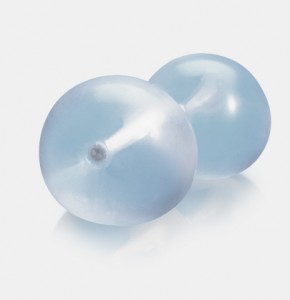
ReShape Duo ProductReShape Medical (San Clemente, CA), for example, has developed what it claims on its Web site is the "first and only nonsurgical, dual-balloon treatment for the millions who want a fast track to weight loss, without the risks of surgery or side effects of drugs." Designed to take place in a 30-minute outpatient procedure, placement of the ReShape Duo entails the insertion of an endoscope through the mouth and into the stomach. Then, the uninflated balloons are positioned in the stomach via a guidewire, after which the balloons are inflated with saline.
Orange County, Ca is becoming a hub for medical devices in Obesity, Ophthalmology, Cardiovascular and other therapeutic areas.
Onciomed, Inc based in Irvine, CA is working on a minimally invasive laproscopic procedure, which is reversible and  can reduce the dependance of anti diabetic medicaltion the procedure takes about 45 min. The company is working on its Series A funding. The company claims it has reached mile stones that other competitors have reached at Series B funding. This could be a great advantage for investors. The product has great potential said on of the ASMBS international faculty surgeons. Product is under clinical evaluation outside USA.
Soon there will be many "Obesity Clinics" around . Just like opthalmologist, are now called "Lasik Surgeons"
bariatric surgeons will be called  "Obesity Surgeons"

Medtronic Gets CE Mark for Corve Valve Technology

MINNEAPOLIS, Sept. 26 -- Medtronic, Inc. (NYSE: MDT) announced it has received CE (Conformite Europeenne) Mark for its Medtronic CoreValve(R) Evolut(TM) 23mm valve, its latest self-expanding transcatheter aortic valve implantation (TAVI) system. The new valve incorporates technology that optimizes fit, thereby promoting sealing between the prosthetic valve and the native valve (TruFit Technology). The Medtronic CoreValve System is currently limited to investigational use in the United States. They just started clinical trial activities in the US.

Medtronic had acquired CoreValve for about $700 Million. CoreValve set the precedent that OUS clinical study is really valuable. CoreValve's technology was in the aortic valve market which is approx a $4 B market worldwide.

With the introduction of the CoreValve Evolut valve, Medtronic can now treat the broadest range of TAVI patient valve sizes (annulus diameters from 18mm to 29mm).

The Medtronic CoreValve System received CE (Conformite Europeenne) Mark in 2007. Medtronic now offers TAVI in four valve sizes (23mm, 26mm, 29mm and 31mm), each deliverable via transfemoral, subclavian and direct aortic access through a low-profile, 18Fr delivery catheter.

There are a few new start ups in the cardiac valves space, Micardia, spunoff a percutaneous  approach and ORbimed invested in the company. Its wierd, Edwards is heavy in the space, market size is $4 B.

Hank PlainMedtronic's Ex CEO, Mr Bill Hawkins mentioned at the Cleveland Clinic Innovation Summit focused on Obesity. He mentioned that Medtronic's will be focusing on obesity and related problems. Since his retirement, Medtronic does not have huge presence in the obesity but certainly has presence in the CV space.
Obesity is going to be the biggest market in the health care space according to Hank Plain from Morganthiler Ventures addressing the panel at OneMed Forum. He was talking for Satiety, Inc, rumors are the technology was acquired for$300 Million, which is 5x lower than the expected return for the VCs.
Today, after the reform of the FDA, Reshape Medical, Onciomed, Inc are at the forefront of the obesity technology. Both companies are located in OC, Ca

In collaboration with leading clinicians, researchers and scientists worldwide, Medtronic offers the broadest range of innovative medical technology for the interventional and surgical treatment of cardiovascular disease and cardiac arrhythmias.

Friday, August 31, 2012

The future of spine and back surgery

many-patients-choose-conventional-minimally-invasive-spine-surgery-because-they-know-the-outcomes-are-predictable1

The future of spine and back surgery

29 Aug 2012, Dr Raj Nihalani, BioSpectrum
guest-column-dr-raj-nihalani-founder-and-ceo-onciomed
Many of the new techniques and equipments developed over the past few years for spine surgery have leaned toward the less invasive approach, which is gaining in popularity across the US. However, 80-to-90 percent of surgeons are still performing open surgeries, which they have perfected over the years.
Healthcare reform in the US could slow technological advances in the coming years due to uncertain reimbursements and increased fees on medical device makers. As we approach 2013, industry leaders weigh in on the future of spine surgery and the cost associated with it.
US Healthcare reform's impact on spine surgery
In the current atmosphere of anxiety regarding the "unknowns" of healthcare reform, many spine surgeons are opting to proceed with their practice cautiously. An increase in patient volume due to growth in the aging population coupled with diminishing reimbursement rates means spine surgeons will be looking for less costly surgery systems that are easy-to-use, according to Dr Chris Zorn, vice president, Spine Surgical Innovation.
Physicians who are working in hospital settings must justify their spending, which could lead to a decrease in purchasing of new and complex technologies that facilities are currently willing to purchase. While technology may continue to advance, physicians may not have the resources to learn new procedures or gain access to the equipment.
In Asia and Europe "Generally speaking, spine, like many other surgical areas, has certain things that become trendy, but my observations are that physicians worldwide are sticking to the basics," says Mr Zorn. "We live in a world of trying to keep it simple, keep the learning steps simple, minimize the impact of surgery on the budget as well as the impact of the procedure on the staff, surgeon and patient's time."

Currently, new minimally invasive surgery are three-to-five times more expensive than conventional surgery opening room to next generation of open repair technologies that are low cost.
One such company which is focusing on next generation open repair technologies is Spinofix and Spinofix International. Spinofix, with its head office in Irivne, California, and an international office in Taiwan and a proposed office in Singapore, has developed low cost treatment options that provide potentially better results that conventional treatments and cost as much or less than conventional treatment, which is a win-win situation.
Minimally invasive spine surgery vs open surgery
One of the biggest reasons to get spine surgery is intractable back pain. Patients resort to spine surgery because they can't take it anymore. Their goal is to get rid of the pain once for all.
Surgeons practicing less invasive or minimally invasive spine surgery are still learning the techniques, patients would rather prefer to do a conventional treatment because they are aware of the outcomes, which is similar to less invasive surgery. The only difference is quicker healing time (couple of weeks). Patient's and payers (insurance companies) prefer less costly and more predictable outcome that are less invasive with a chance to undergo a second revision surgery, if things did not go right the first time.
Investment in Spine Technology
Many investors looking to invest in spine technology may think minimally invasive technology is the way to go. Actually, it's the paradox. Next generation technologies, which are less costly and improvements in the open repair, are more popular and will stay for the next two decades. New technologies in spine fusion will replace the conventional treatments slowly, thus bridging the gap between the conventional treatment and minimally invasive surgery. Spinofix's cross connector system is one of the technology that the companies are using to bridge the gap.
Is the Asian spine market different?
In Asia, physicians affiliated with academic research centers are small in number (less than five percent). Most surgeons are likely to learn minimally invasive techniques in the future because they have more emphasis on procedural development.
In the coming healthcare climate, which is wrought with uncertain reimbursement rates and the potential for an increase in patient volume in countries like China and India, physicians are busy serving in the operating room all day and managing a robust practice. They will need to search for systems with simple ease-of-use, short learning curve and high value. The physicians will need to invest in low-cost systems like Spinofix that demonstrate beneficial patient outcomes.
Active patient recovery
As minimally invasive surgery and pain medicine make advancements, patients are able to play an active role in their recovery process. Patients are looking to explore their options. Many choose conventional spine surgery that are minimally invasive because they know the outcomes are predictable.
"Minimally invasive sounds great, I had a minimally invasive heart procedure last year, but that does not mean minimally invasive spine surgery its going to work for me. I would like the surgeon to look and fix my back right," said a 65-year-old women suffering from back pain in Singapore.
She decided to go the conventional route even though her cost was covered by the hospital system. Four weeks later she said, "I am glad I chose conventional treatment and I feel better. I read a lot about spine surgery on the internet and decided that I stick to the predictability of the procedure than the newness and hype of the less invasive surgery."

The future of spine and back surgery


many-patients-choose-conventional-minimally-invasive-spine-surgery-because-they-know-the-outcomes-are-predictable1

The future of spine and back surgery

29 Aug 2012, Dr Raj Nihalani, BioSpectrum
guest-column-dr-raj-nihalani-founder-and-ceo-onciomed
Many of the new techniques and equipments developed over the past few years for spine surgery have leaned toward the less invasive approach, which is gaining in popularity across the US. However, 80-to-90 percent of surgeons are still performing open surgeries, which they have perfected over the years.
Healthcare reform in the US could slow technological advances in the coming years due to uncertain reimbursements and increased fees on medical device makers. As we approach 2013, industry leaders weigh in on the future of spine surgery and the cost associated with it.
US Healthcare reform's impact on spine surgery
In the current atmosphere of anxiety regarding the "unknowns" of healthcare reform, many spine surgeons are opting to proceed with their practice cautiously. An increase in patient volume due to growth in the aging population coupled with diminishing reimbursement rates means spine surgeons will be looking for less costly surgery systems that are easy-to-use, according to Dr Chris Zorn, vice president, Spine Surgical Innovation.
Physicians who are working in hospital settings must justify their spending, which could lead to a decrease in purchasing of new and complex technologies that facilities are currently willing to purchase. While technology may continue to advance, physicians may not have the resources to learn new procedures or gain access to the equipment.
In Asia and Europe "Generally speaking, spine, like many other surgical areas, has certain things that become trendy, but my observations are that physicians worldwide are sticking to the basics," says Mr Zorn. "We live in a world of trying to keep it simple, keep the learning steps simple, minimize the impact of surgery on the budget as well as the impact of the procedure on the staff, surgeon and patient's time."

Currently, new minimally invasive surgery are three-to-five times more expensive than conventional surgery opening room to next generation of open repair technologies that are low cost.
One such company which is focusing on next generation open repair technologies is Spinofix and Spinofix International. Spinofix, with its head office in Irivne, California, and an international office in Taiwan and a proposed office in Singapore, has developed low cost treatment options that provide potentially better results that conventional treatments and cost as much or less than conventional treatment, which is a win-win situation.
Minimally invasive spine surgery vs open surgery
One of the biggest reasons to get spine surgery is intractable back pain. Patients resort to spine surgery because they can't take it anymore. Their goal is to get rid of the pain once for all.
Surgeons practicing less invasive or minimally invasive spine surgery are still learning the techniques, patients would rather prefer to do a conventional treatment because they are aware of the outcomes, which is similar to less invasive surgery. The only difference is quicker healing time (couple of weeks). Patient's and payers (insurance companies) prefer less costly and more predictable outcome that are less invasive with a chance to undergo a second revision surgery, if things did not go right the first time.
Investment in Spine Technology
Many investors looking to invest in spine technology may think minimally invasive technology is the way to go. Actually, it's the paradox. Next generation technologies, which are less costly and improvements in the open repair, are more popular and will stay for the next two decades. New technologies in spine fusion will replace the conventional treatments slowly, thus bridging the gap between the conventional treatment and minimally invasive surgery. Spinofix's cross connector system is one of the technology that the companies are using to bridge the gap.
Is the Asian spine market different?
In Asia, physicians affiliated with academic research centers are small in number (less than five percent). Most surgeons are likely to learn minimally invasive techniques in the future because they have more emphasis on procedural development.
In the coming healthcare climate, which is wrought with uncertain reimbursement rates and the potential for an increase in patient volume in countries like China and India, physicians are busy serving in the operating room all day and managing a robust practice. They will need to search for systems with simple ease-of-use, short learning curve and high value. The physicians will need to invest in low-cost systems like Spinofix that demonstrate beneficial patient outcomes.
Active patient recovery
As minimally invasive surgery and pain medicine make advancements, patients are able to play an active role in their recovery process. Patients are looking to explore their options. Many choose conventional spine surgery that are minimally invasive because they know the outcomes are predictable.
"Minimally invasive sounds great, I had a minimally invasive heart procedure last year, but that does not mean minimally invasive spine surgery its going to work for me. I would like the surgeon to look and fix my back right," said a 65-year-old women suffering from back pain in Singapore.
She decided to go the conventional route even though her cost was covered by the hospital system. Four weeks later she said, "I am glad I chose conventional treatment and I feel better. I read a lot about spine surgery on the internet and decided that I stick to the predictability of the procedure than the newness and hype of the less invasive surgery."

Monday, July 23, 2012

Novel Technology in the Obesity & Diabetes Space

Novel Technology to Treat Obesity & Diabetes

 Obesity and Diabetes  is over $110 Billion market worldwide.  Obesity is the #1 cause of preventable death, it use to be smoking. Now its Obesity. Only a couple of years ago, obesity was declared as a "disease" it use to be considered as a medical condition. 
 
www.onciomed.com

This is not just the problem of the West. 12-14% of China and India's urban population is Obese and Diabetic.
"Onciomed" name is derived from the unit of weight "Ounce" latin derivative is "Oncio"
The company was started in 2009, Onciomed raised seed money capital internationally to a tune of $1 Million. Using lean methodology Onciomed run this company lean and has got to a point where generally people spend $5 Mil to get there.They have completed  animal work and first in human done. The company has 1 issued patent, 2 more to be issued in the Aug and the company hopes to get as many as 12-20 patents in this space in the next couple of years. Their plan is to exit via strategic acquisition by a bigger corporate player.

The technology is unique, the procedure is a minimally invasive, and reversible technique to treat obesity and diabetes, this technology can be utilized by bariatric surgeons as a stand alone procedure or as an complimentary procedure for the weight loss and diabetic surgery procedure.
Onciomed is now raising $5 M in Series A financing.- use of proceeds will be focused on clinical evaluations which will start to take place in Latin America and Asia and focus is on obtaining the CE mark on the product to commercialize the product in EU and ASIA.  
For more information pl  contact: Info@onciomed.com

Saturday, June 23, 2012

New Anti Ageing Solutions

New Anti- Ageing Solutions!
Collagen is a key structural component that keeps skin youthful looking and smooth. As you age, your body's collagen production decreases, and you may begin to see wrinkles. Within the deep dermis, The ingredients of the cream from Revital skin care are working to reinforced and helps to replace lost collagen . The idea is that this reinforced collagen may provide a structure that provides a foundation that gradually restores the look of fullness of your shallow to deep facial wrinkles and folds* that has been depleted over time. It seems that The result? from the night cream is different because it gradually and subtly corrects these facial wrinkles. This can provide a refined, more youthful looking appearance. Go to www.revitalskincare.com to get your product.

Wednesday, June 6, 2012

Need Innovative Technologies: The severe shortage of viable organs for transplantation in the U.S. has led a transplant surgeon to propose harvesting kidneys from people who are not dead yet

Support Innovation:  Orange County, CA has become the hub for next generation medical technologies. Chronic diseases like Diabetes, Occular disease, obesity, orthopedics/spine, cardiovascular technologies. 

Severe shortage of viable organs for transplantation in the U.S. has led a transplant surgeon to propose harvesting kidneys from people who are not dead yet


Dr. Paul Morrissey, an associate professor of surgery at Brown University's Alpert Medical School, wrote in The American Journal of Bioethics that the protocol known as donation after cardiac death -- meaning death as a result of irreversible damage to the cardiovascular system -- has increased the number of organs available for transplant, but has a number of limitations, including the need to wait until the heart stops.Because of the waiting time, Morrissey said that about one-third of potential donors end up not being able to donate, and many organs turn out to not be viable as a result.
Instead, he argues in favor of procuring kidneys from patients with severe irreversible brain injury whose families consent to kidney removal before their cardiac and respiratory systems stop functioning.
"These individuals, maintained on mechanical ventilation, do not meet the criteria for brain death," he wrote. In these cases, the patient would be removed from life support and kidneys would be harvested while ensuring that the patient receives anesthesia and pain relief during the operation. After that, the patients would be kept comfortable until they have not had a pulse for five minutes, a threshold at which they are declared dead.
"Under this protocol, the donor is alive at the time of kidney recovery, but a determination has been made and confirmed by medical experts that death is imminent," he wrote.
Kidney removal, he stressed, would not cause the death of the donor, which is "instead caused foremost by the original catastrophic injury and secondarily by terminating mechanical ventilation."
In addition to providing more organs usable for transplant, Morrissey said this revised protocol would allow families to grieve in peace, since surgeons wouldn't need to rush the body into the operating room to remove organs. He said they could also take comfort in the knowledge that their loved one's death saved other lives.
A number of experts responded to Morrissey's proposal in commentaries published in the same journal. Some supported his arguments, while others expressed concern that it wouldn't be in the donor's best interests and could potentially violate medical ethics and the law.
Donald Marquis, a professor at the University of Kansas, wrote that Morrissey's argument has some validity.
Removing both kidneys, he said, "will not make the donor worse off than the donor would have been in the absence of the nephrectomy."
"Though not dead yet, they are 'as good as dead' from an ethical perspective," wrote Franklin Miller, a bioethicist at the National Institutes of Health, along with Dr. Robert Truog, a professor of medical ethics, anesthesiology and pediatrics at Harvard Medical School. "No harm or wrong is committed by procuring vital organs prior to stopping life support, provided that valid consent is obtained for donation."
But removing both kidneys from a living donor would not always be in a patient's best interests.
"There is no reason to believe that registering as an organ donor involves the willingness to undergo premortem double nephrectomy," argued bioethicists Maxwell Smith of the University of Toronto, David Rodriguez-Arias of the Spanish National Research Council and Ivan Ortega of Alcala de Henares University.
And Norman Cantor, a distinguished professor of law at Rutgers School of Law, wrote that removing both kidneys before death could be legally risky.
"An organ retrieval intervention poses some hazard of accelerating death, as by hemorrhage or cardiac arrest," he said. "Any medical action potentially accelerating death, even by a few minutes and even for a gravely debilitated patient, demands a legally recognized justification."
Removing one kidney, he said, could be legally defensible, but removing both "would almost certainly be deemed unlawful under the current legal framework."
In Orange County, Ca there has been a continued effort to nurture innovation in medical technologies that can treat chronic disease. It has become a hub for ophthalmology, obesity-weight loss, diabetes, orthopedic and spine, cardiovascular and heart valve disease.  These innovative companies need investment support, so US does not have to depend on outside US innovation. The fear is, these companies might move their innovations to countries where funding for such innovation is available, resulting in higher cost of health care in the US.
For more information contact: Dr. Raj Nihalani, at: accessclinicaltrials@yahoo.com

Monday, June 4, 2012

New Breakthrough extract for taking care of age related wrinkles

When it comes to skin care products. Everyone brags about the way the skin feels to touch after applying it.
I am a big critic of the commercially available products, until I came across this unique formula called as the
NEA-8. This is an accidental discovery made by the same team working at the M.D. Anderson Institute in the USA. The institute known for its innovations in cancer therapy stumbled on the invention of NEA-8.
This product essentially comes from an Oleander extract, a naturally grown plant under special conditions, a poisonous plant extract, but does wonders for the skin.
Wait no more: See some before and after pictures.
www.revitalskincare.com
If you can clearly see, the skin is much hydrated and the deep line are less obvious, also the smile wrinkles on the sides are also diminished this is so remarkable - In 4 days. I believe in the results, because there was science backing the results. Not some serum or nano particles.

If men would like to purchase a bottle and try this product. This is the website where you can buy one: www.mensbioskincare.com
The backing of this product is so good, if are not satisfied with the product they have a money back policy.
The product is the NERIUM AD.( AD: Stands for Age Defying).